
For close to a year the month of February has been looming just outside of my conscious. February 21, 2013 will be the one year anniversary of my mother’s death and the 12 year anniversary of my father’s death. I have prepared myself to be sad. But, what I haven’t prepared myself for are the down times leading up to that day.
On January first of 2012 I was celebrating the start of the New Year with friends. We were at a bar having chicken wings and beer. That was when I received the first call about my mother not doing well. With the help of my sister Roxann, who flew in from Georgia, we spent nearly two weeks watching my mother slowly succumb to pneumonia. Then, miraculously she pulled herself back from the brink of death. Bewildered from what we had prepared ourselves for, Mom’s death, and reality, Roxann wearily went home. As January faded into February Mom improved to the point where some days she didn’t need the oxygen.
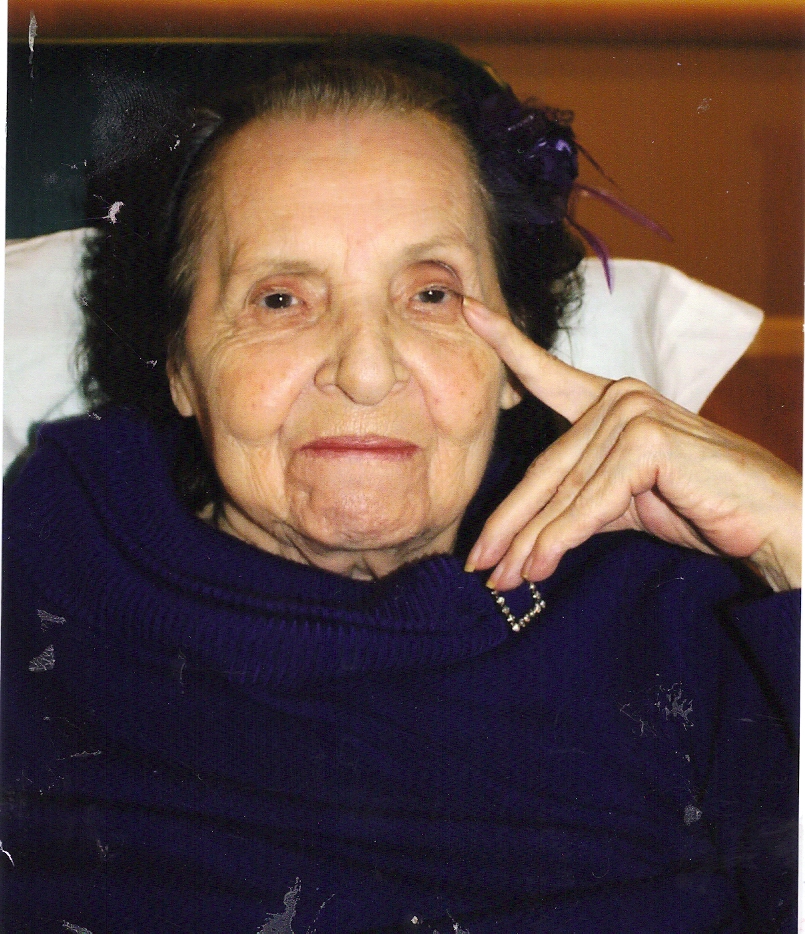 One weekend in February, I visited Mom on a Friday. I even took her picture to send to my sisters because Mom looked so good after her close call with death. Unbelievably, that following Monday I was called by the nursing staff because Mom was once again ill. The change in Mom over the weekend was startling. I saw the look of panic in her eyes as she struggled to breathe. With the help of the nurse practitioner, who prescribed, and then the nurse, who administered the morphine, we were able to ease Mom’s discomfort and fear. I sat with her most of the day until she fell asleep. I left knowing I would need to get many tasks accomplished before I began, once again, waiting with Mom for death to finally relieve her of her painful existence here on earth.
The next morning, as I prepared myself and my home for the long hours of sitting with Mom the nurse called. Mom was worse. Since Mom’s illness the month before, her children had resolved not to continue the brutal cycle of stopping the pneumonia, with antibiotics, only to have the illness return very shortly afterward. We were committed to shortening Mom’s downward spiral towards death for her sake, instead of prolonging her dementia bound life for us. But, I won’t lie it was difficult to see my mother laboring to breathe and the fear in her face. I gave the nod and morphine was administered so that she could rest easily. That afternoon the nurse practitioner told me this was it; Mom would not recover this time. I called Roxann. She made plans to return to Upstate New York.
As suddenly as Mom had become ill, she died. She died before Roxann could arrive. She died within 48 hours of my initial phone call. No one on the staff, not even the nurses, thought she would die that quickly. Yet, I had a feeling all of that day, because I sensed my dad in her room with me. I understood that he had come to take her to their afterlife.
I remember many aspects of those long days in January and the few days in February that led to our extended family standing in a grave yard, once again sheltering against the biting cold winds of an Indiana winter. It is with those days ingrained in my subconscious that I sometimes find myself crying for no apparent reason. Why certain songs can turn a bright day into one of melancholy. My conscious mind continues to check items of my list of tasks to accomplish. I go to work. I make dinner. I admire the beauty of the winter blue sky. I enjoy the company of friends, the stimulation of a good workout. Still, I never know when or why the tears will come. They just do.
 Rosemary Christle-Renaud